
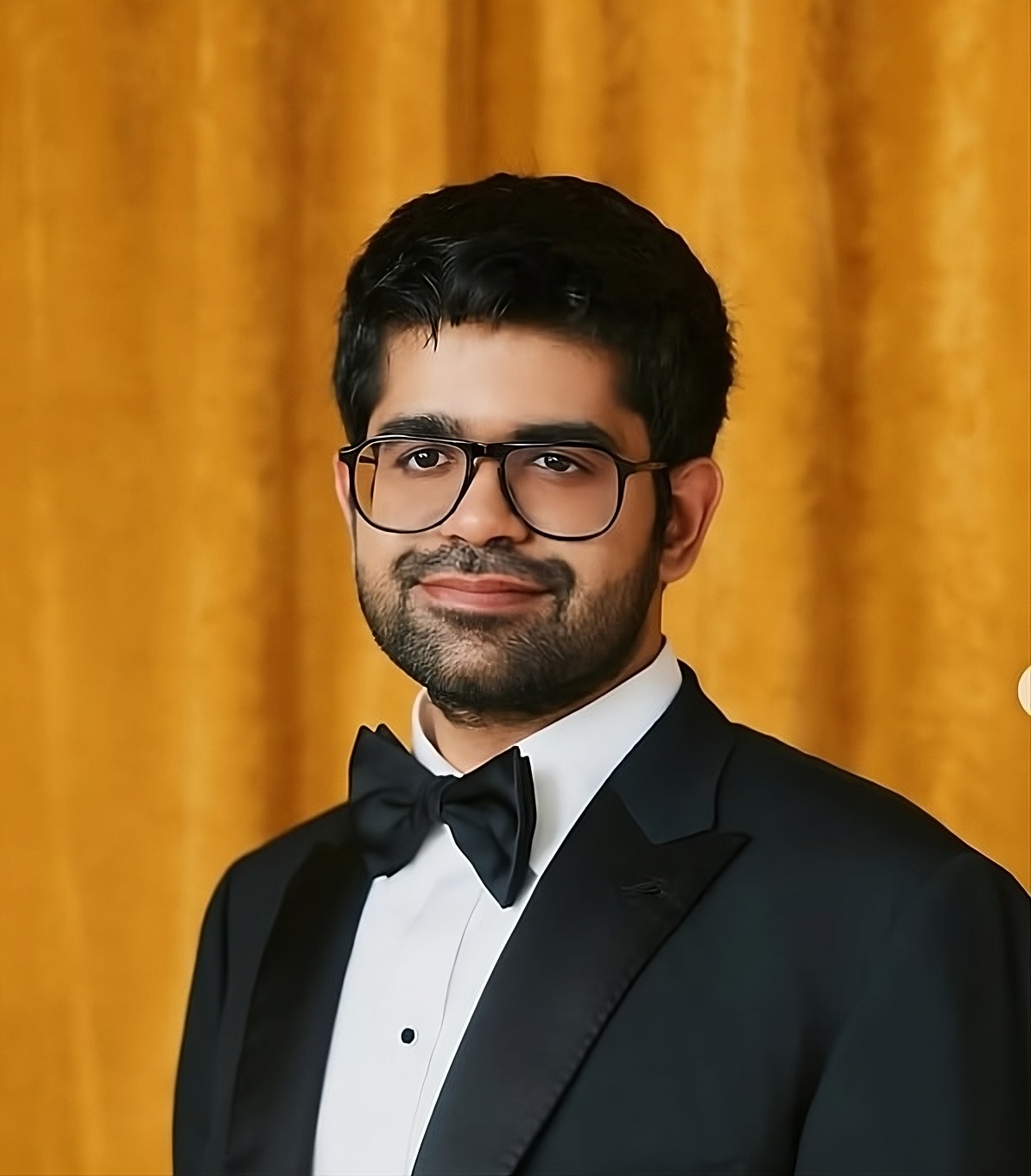
Perplexity AI CEO’s Advice to Young People: “Stop Scrolling, Start Learning AI”
Aravind Srinivas, co-founder and CEO of Perplexity AI, has a clear message for today’s youth: put down your phone, stop the endless scroll on Instagram, and start spending your time learning artificial intelligence (AI). In a recent interview, Srinivas shared important advice for anyone who wants to stay ahead in their career.
Learning AI Is No Longer Optional
According to Srinivas, being familiar with AI tools is quickly becoming a must-have skill for landing a job. He says, “People who are really ahead in using AI are going to be much more employable than those who aren’t. That’s just the way it’s going.” In today’s competitive job market, understanding and using AI isn’t just helpful—it’s essential.
The World Is Changing Fast—You Need to Adapt
Srinivas warns that the AI industry is moving forward at a rapid pace, much faster than most people can keep up with. He points out that new updates and technology breakthroughs are happening every few months. If you don’t keep learning and growing your skills, you risk falling behind.
As he puts it: “The human race has never been great at adapting quickly. But this field is moving in three-to-six-month cycles now.” In simple words, you need to be ready to learn new things constantly. What works today might be outdated in six months.
Not Every Job Is Safe—But There Are New Opportunities
It’s true that some jobs are disappearing. Especially those that revolve around repetitive work are at risk. Srinivas doesn’t deny that not everyone will find it easy to switch, but he also believes that AI creates new opportunities. You can use AI to start your own business, or you can join forward-thinking companies who are already using these technologies.
As Srinivas suggests, “Those who lose jobs might go on to launch their own startups using AI. Or they might learn how AI works and join teams that are already moving forward.” The main thing is, staying stuck or refusing to learn isn’t an option.
Srinivas isn’t the only tech leader ringing the alarm bell. Dario Amodei, CEO of Anthropic, said up to half of all entry-level white-collar jobs could disappear in the next five years. Geoffrey Hinton, a pioneer in AI, has made similar arguments. While this might sound scary, not everyone believes jobs will be wiped out completely. Nvidia CEO Jensen Huang thinks jobs aren’t disappearing, just changing. What’s important is to prepare for that change.
AI Is Already Taking Over Routine Work
Srinivas gave a real-world example using Perplexity’s own tool called Comet. On The Verge’s Decoder podcast, he explained how Comet can easily handle recruiter tasks. From finding and reaching out to job candidates, managing schedules, updating spreadsheets, sending meeting briefs, and even managing meeting conflicts—everything can be done automatically with AI.
He said, “A week’s worth of a recruiter’s work can be done with a single prompt.” This shows just how much AI can simplify office work, especially with even more powerful models coming soon.
Right now, Comet is behind a paywall, meaning only paid users have full access. However, Perplexity is slowly rolling out access to some free users and plans a broader launch in the future. Srinivas confirmed in a Reddit AMA that basic features will become free for everyone, but advanced tools will likely stay paid.
Who Is Aravind Srinivas?
Born in India in 1994, Aravind Srinivas studied computer science before co-founding Perplexity AI, a company focused on making conversation with AI both clear and accurate. Srinivas’s main message is simple: AI is not just a new technology, it’s quickly becoming a basic career requirement.
If you want to succeed in the careers of tomorrow, it’s time to take AI seriously. Srinivas’s advice is straightforward—use less time scrolling on social media, and more time exploring, learning, and practicing with AI tools.
Ready to future-proof your career? Stop scrolling, and start learning AI today.